India runs on small societies that work.
The village. The women's self-help group. The dairy cooperative. The temple and festival committees. The resident welfare association. The chit fund. Long before any app, Indians built groups that take a little from everyone, decide together, and get what no one household could get alone.
Empower a small group.
The money in a self-help group is its members' own savings. The cooperative's plant was paid for with its members' milk. The money and the decision sit in the same room, so nothing waits on a signature from far away.
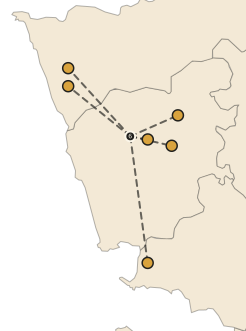
Kerala's Kudumbashree federates neighbourhood groups into area and community societies that run on their own funds.Everyone sees the budget.
Who paid, who was paid, and what for, read out at the meeting. Trust here is not a feeling. It is what you get when a small group can check every line.
A village festival committee publishes its accounts on the wall. Nobody asks it to.The decisions stay local.
The people who will live with a decision are the ones who make it. They know what a borewell or a drain costs here, not in the capital. That is why the gram sabha is written into the Constitution.
About a hundred million women in India belong to a self-help group. Most meet weekly.The limit is size. A village can run its own fund. A state has thousands of villages, and no government can sit in every meeting or read every ledger. Coordinating that many local groups has always been too hard. Can AI help us coordinate?